


Decoding Tomorrow: 30 Megatrends – #28 The Chase for Authenticity: “Celebrate your flaws and highlight your mistakes – because one day soon, they will become your key currency for success!”
August 11, 2025, BY JimCarroll"Celebrate your flaws and highlight your mistakes - because one day soon, they will become your key...

Decoding Tomorrow: 30 Megatrends – #27 America’s Retreat “By abandoning its R&D leadership, the US is ceding the future of global innovation and success to its competitors.”
August 8, 2025, BY JimCarroll"By abandoning its R&D leadership, the US is ceding the future of global innovation and success...
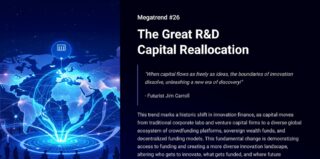
Decoding Tomorrow: 30 Megatrends – #26 The Great R&D Capital Reallocation: “When capital flows as freely as ideas, the boundaries of innovation dissolve, unleashing a new era of discovery!”
August 6, 2025, BY JimCarroll"When capital flows as freely as ideas, the boundaries of innovation dissolve, unleashing a new era...

Decoding Tomorrow: 30 Megatrends – #25 Urban Reimagination : “Beyond smart, we are building living cities: integrated ecosystems designed for a resilient, equitable, and profoundly human future.”
July 30, 2025, BY JimCarroll"Beyond smart, we are building living cities: integrated ecosystems designed for a resilient,...

Decoding Tomorrow: 30 Megatrends – #24 The Five Generation Society: “A world of five active generations creates unprecedented opportunities for innovation, connection, and shared prosperity – not to mention opportunities to help to fix a broken society.”
July 29, 2025, BY JimCarroll"A world of five active generations creates unprecedented opportunities for innovation, connection,...
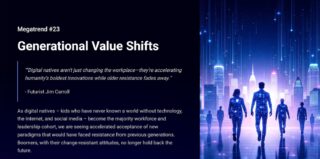
Decoding Tomorrow: 30 Megatrends – #23 Generational Value Shifts: “Digital natives aren’t just changing the workplace-they’re accelerating humanity’s boldest innovations while older resistance fades away.”
July 28, 2025, BY JimCarroll"Digital natives aren't just changing the workplace-they're accelerating humanity's boldest...
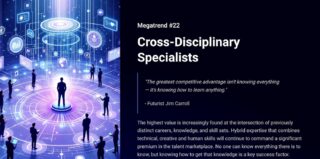
Decoding Tomorrow: 30 Megatrends – #22 Cross-Discinplinary Specialists: “The greatest competitive advantage isn’t knowing everything – it’s knowing how to learn anything.”-
July 25, 2025, BY JimCarroll"The greatest competitive advantage isn't knowing everything - it's knowing how to learn...
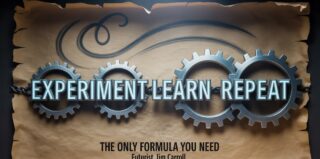
Decoding Tomorrow: Your Daily Future Inspiration – Mastering Knowledge: “Experiment learn repeat. The only formula you need!”
June 9, 2025, BY JimCarroll"Experiment learn repeat. The only formula you need!" - Futurist Jim Carroll Wrap your head...
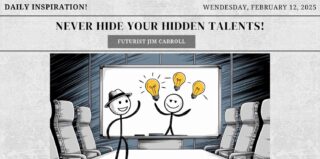
Daily Inspiration: Creativity and Skills – “Never hide your hidden talents!”
February 12, 2025, BY JimCarroll"Never hide your hidden talents!" - Futurist Jim Carroll I find innovation and creativity...


GET IN TOUCH
Jim's Facebook page
You'll find Jim's latest videos on Youtube
Mastodon. What's on Jim's mind? Check his feed!
LinkedIn - reach out to Jim for a professional connection!
Flickr! Get inspired! A massive archive of all of Jim's daily inspirational quotes!
Instagram - the home for Jim's motivational mind!